
Industrialized Building Units: The “in-between” homes you may not know about
If you spend enough time looking at houses built in the 1970s and 1980s, you occasionally run into something that makes you pause for a moment. The framing looks a little different. The crawlspace insulation might be held up with chicken wire. You may see large bolts or plates tying sections together in the attic.
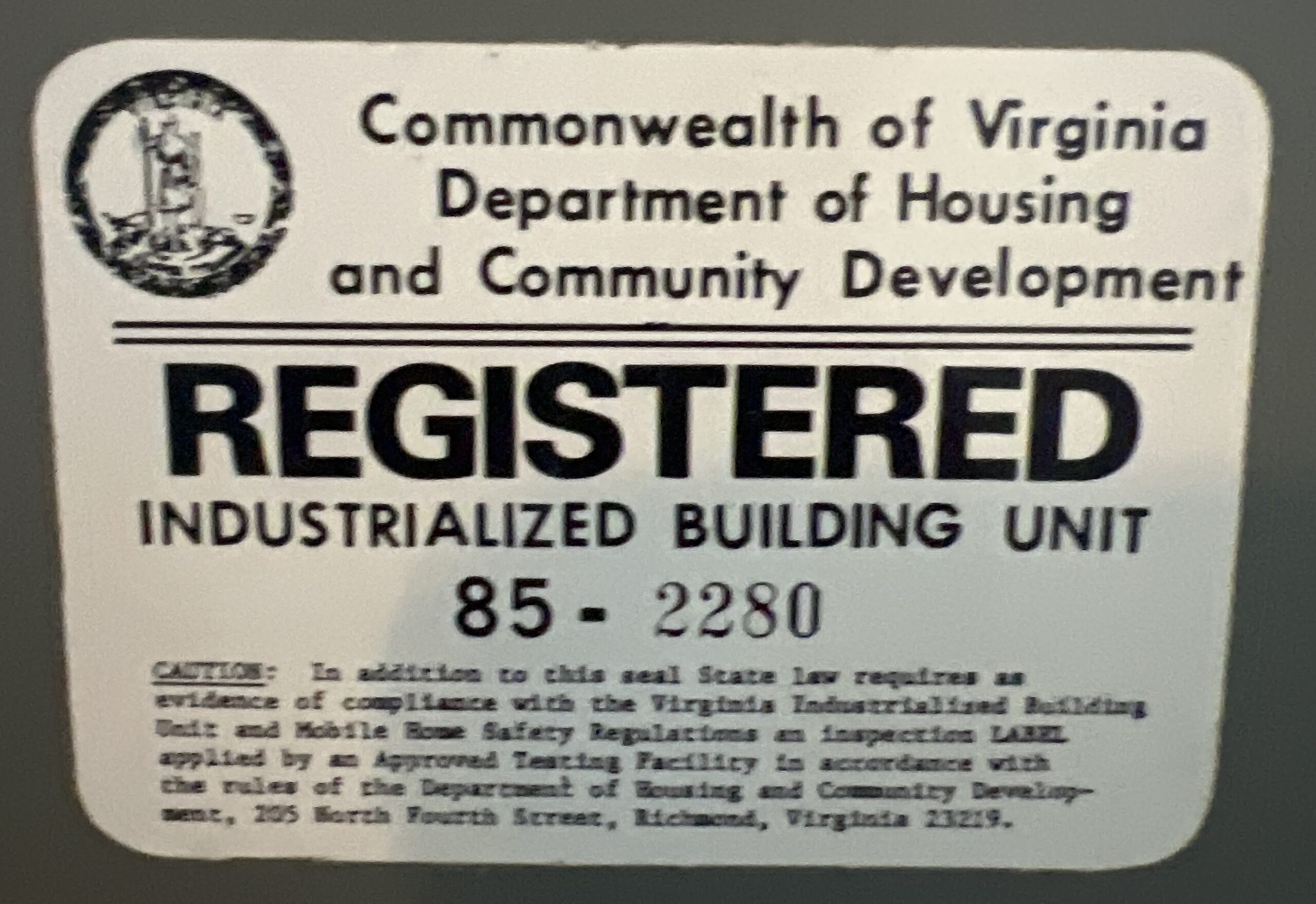
Then you open the electrical panel and see a label that says something like “Industrialized Building Unit.”
At first glance, that label can raise questions. Is it modular? Is it a mobile home? Is it something else entirely?
The answer sits right in the middle.
Industrialized Building Units, often called IBUs, were an innovative construction approach that blended factory precision with on-site construction. They are not mobile homes and they are not typical modular homes either. Think of them as a hybrid system designed to improve quality and efficiency during a time when builders were experimenting with better ways to construct houses.
A quick look at the history
IBUs became more common during the late 1960s through the 1980s. Builders were searching for ways to reduce construction time, improve consistency, and lower costs without sacrificing structural performance.
The idea was simple. Instead of building every piece of the home on site, certain sections were manufactured in a controlled factory environment. These components could include wall panels, roof systems, or large structural sections of the home. Once delivered to the site, they were assembled and integrated into the foundation and remaining construction.
Unlike mobile homes, IBUs were built to local building codes and intended to be permanent structures. And unlike many modular homes, IBUs were often only partially factory built. A large portion of the home could still be constructed on site by traditional methods.
The result was a house that looks and functions like any other stick-built home but with some distinctive structural clues.
Unique building features you may notice
If you know what to look for, IBUs tend to reveal themselves in a few interesting ways.
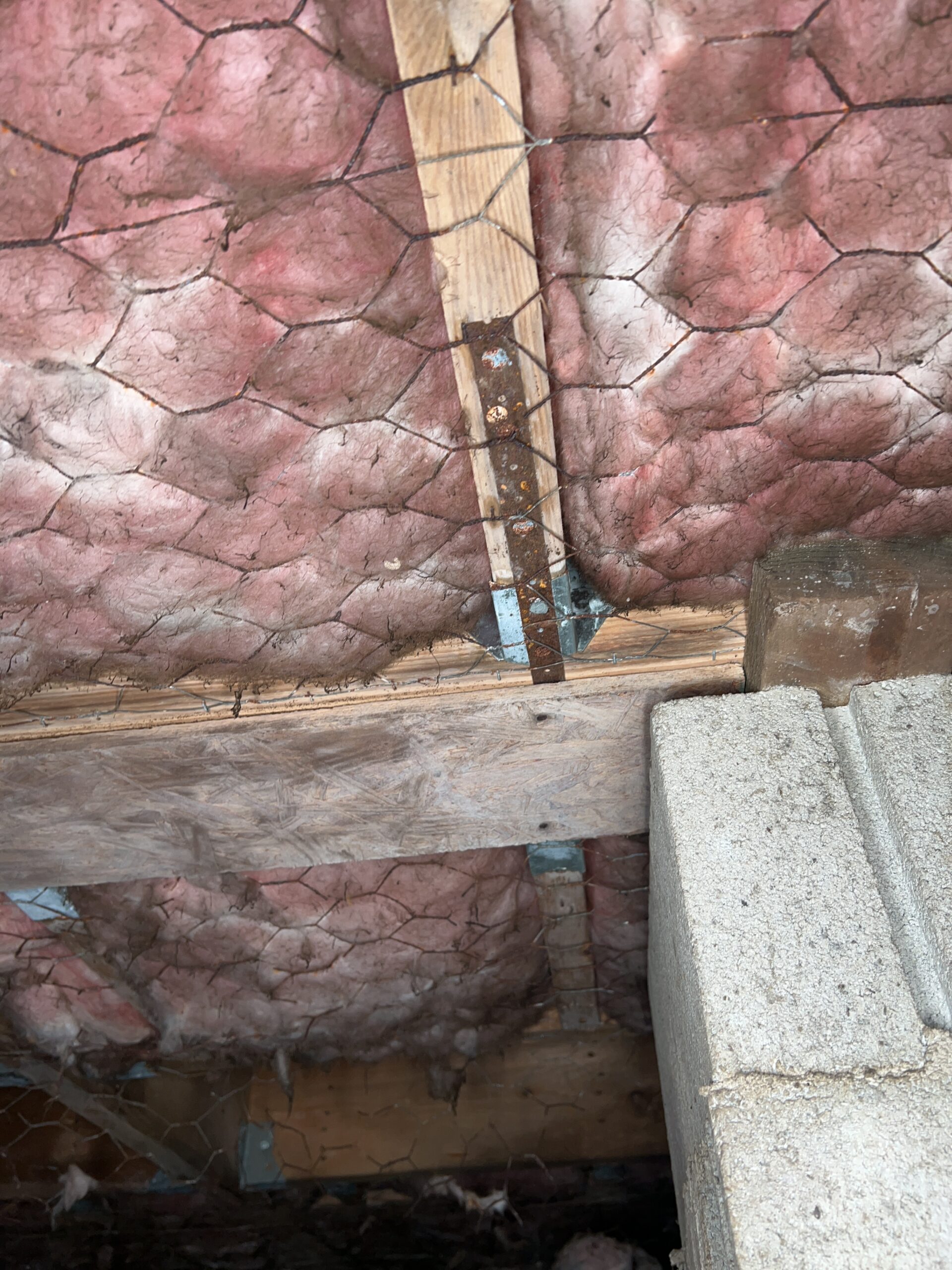
In the crawlspace
One of the most recognizable features is insulation supported by chicken wire or metal mesh. This was commonly used to hold insulation in place beneath factory-built floor systems. It can look unusual if you have never seen it before, but it was a common installation method for certain industrialized floor assemblies.
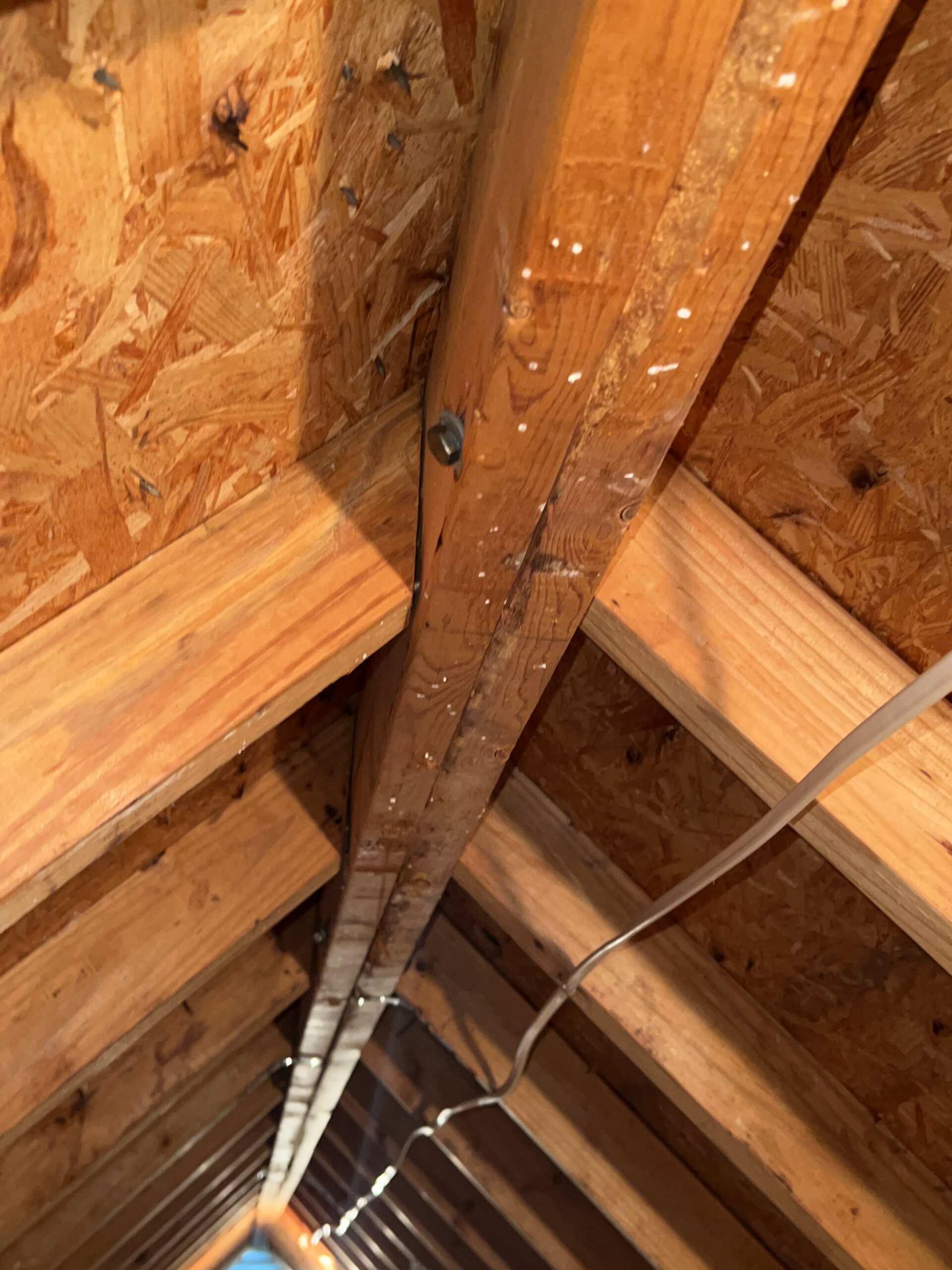
In the attic
You may find large bolts, plates, or connectors tying sections of framing together. These connections helped secure the factory-built components once they were assembled on site. They can look different from typical framing connections but they were designed specifically for the engineered system used by the manufacturer.
From the exterior
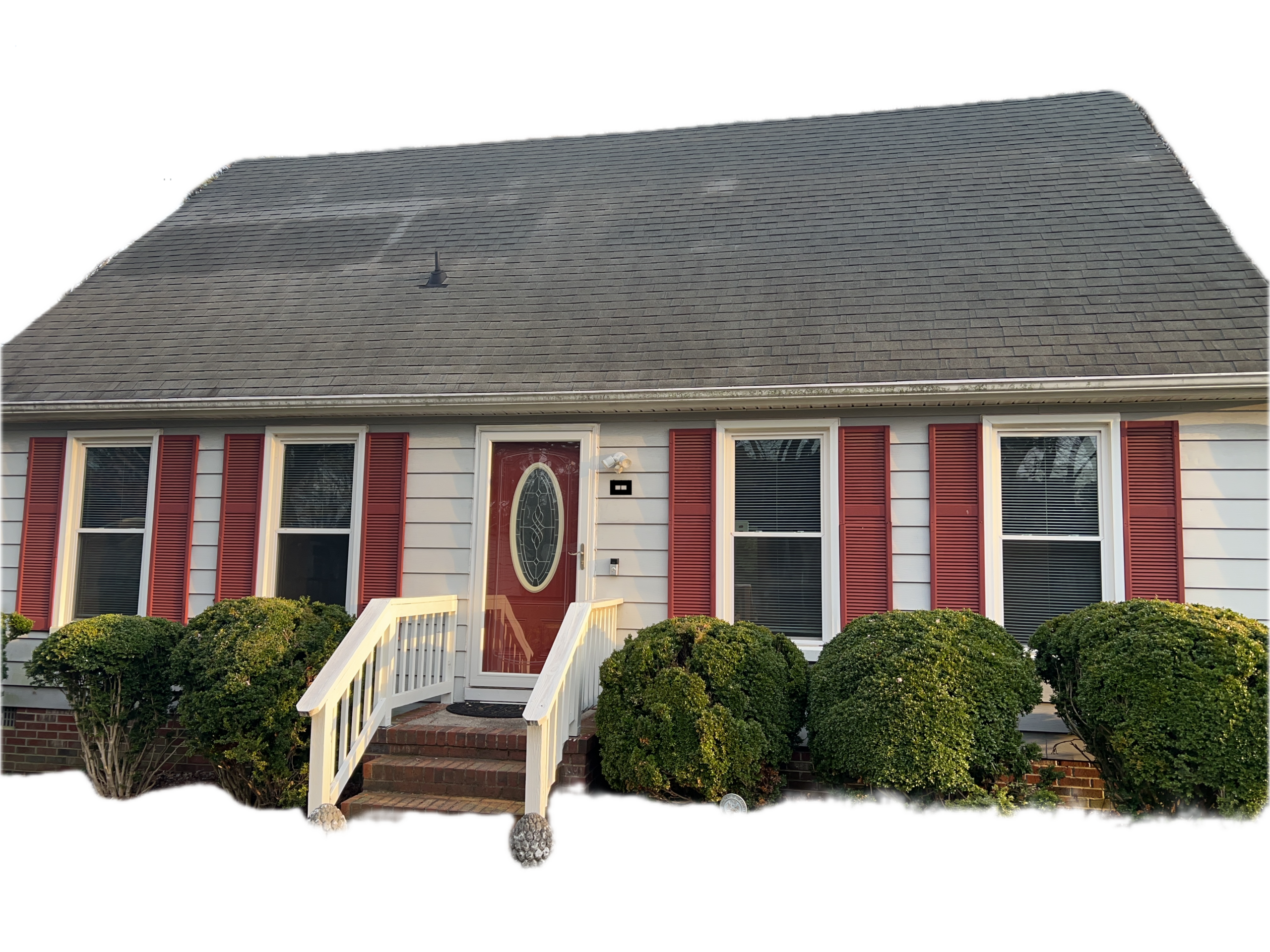
Most IBUs look just like any other house from the street. They often have conventional siding, roofs, and foundations. Unless you know the signs or find the manufacturer’s label, you might never realize the home used an industrialized building system.
How IBUs differ from modular and mobile homes
Because the terminology can get confusing, it helps to break down the differences.
Mobile homes
Mobile homes were built on a permanent steel chassis and designed to be transported as complete units. Modern versions are called manufactured homes and follow the federal HUD code rather than local building codes.
IBUs do not have a steel chassis and are built to local building codes just like traditional houses.
Modular homes
Modular homes are typically constructed as large box-like sections in a factory and then stacked or connected on site. Entire rooms or halves of the house may arrive fully built.
IBUs are usually different. Instead of full room modules, they often use panelized systems or engineered assemblies that integrate into conventional framing once delivered to the site.
Traditional stick-built homes
Stick-built homes are constructed almost entirely on site using individual framing members.
IBUs blend this process with factory-built structural elements.
Think of IBUs as a hybrid approach that tried to capture the best parts of factory manufacturing and traditional construction.
Challenges owners may encounter when remodeling
Most IBUs perform just like any other house and owners often live in them for decades without even realizing how the home was built.
However, there are a few situations where the industrialized system can create surprises during remodeling.
Hidden structural systems
Some walls or structural elements may be part of engineered assemblies. Removing or altering them without understanding the load paths can create structural issues.
Unique fasteners and connections
Those bolts and connectors in the attic are part of the structural system. When modifying rooflines or opening spaces, these connections may need to be preserved or properly re-engineered.
Access limitations
Some floor systems were built as enclosed assemblies. In crawlspaces, insulation and support mesh may make it harder to see the framing or plumbing connections without removing materials.
Limited documentation
Many IBU manufacturers are no longer in business, and original construction drawings can be difficult to locate. This sometimes means contractors have to spend extra time evaluating how things were built before making changes.
None of these issues are deal breakers. They simply mean that thoughtful planning is important before starting major renovations.
There is no reason to fear these homes
When people hear unfamiliar construction terms, they sometimes assume the worst. In reality, many IBUs were built with excellent engineering and factory precision.
In some cases, the quality of the structural components is better than what you might see in a fully site-built home from the same era.
Like any house, the most important factors are maintenance, proper repairs, and thoughtful upgrades over time. Age, moisture management, and routine wear usually matter far more than the construction method itself.
If you encounter a home labeled as an Industrialized Building Unit, it is simply a reminder of an interesting period in building history when the industry was experimenting with new ways to improve construction.
And once you know the signs to look for, those little clues like chicken wire under the floor system or bolted connections in the attic start to feel less mysterious and more like part of the home’s story.
Sometimes the most interesting houses are the ones that took a slightly different path to get built.